Understanding Porcupine Dates (Bezoars)
Porcupine dates — also known as porcupine bezoars — are calcified masses found in the bodies of porcupines. They have a long history of use in traditional Chinese medicine (TCM) and in traditional healing practices across Southeast Asia. This page presents what is currently known about these substances.
Evidence levels used on this page
No human clinical trials found
Medical Disclaimer
The information on this platform is for educational purposes only and is not intended as medical advice, diagnosis, or treatment. Always seek the advice of a qualified healthcare provider with any questions you may have regarding a medical condition. Never disregard professional medical advice or delay in seeking it because of something you have read on this platform.
Why we include this disclaimer
We include this disclaimer because porcupine dates are sometimes marketed with unsubstantiated health claims. We want to ensure visitors understand that our content is educational, not prescriptive.
What Are Porcupine Dates?
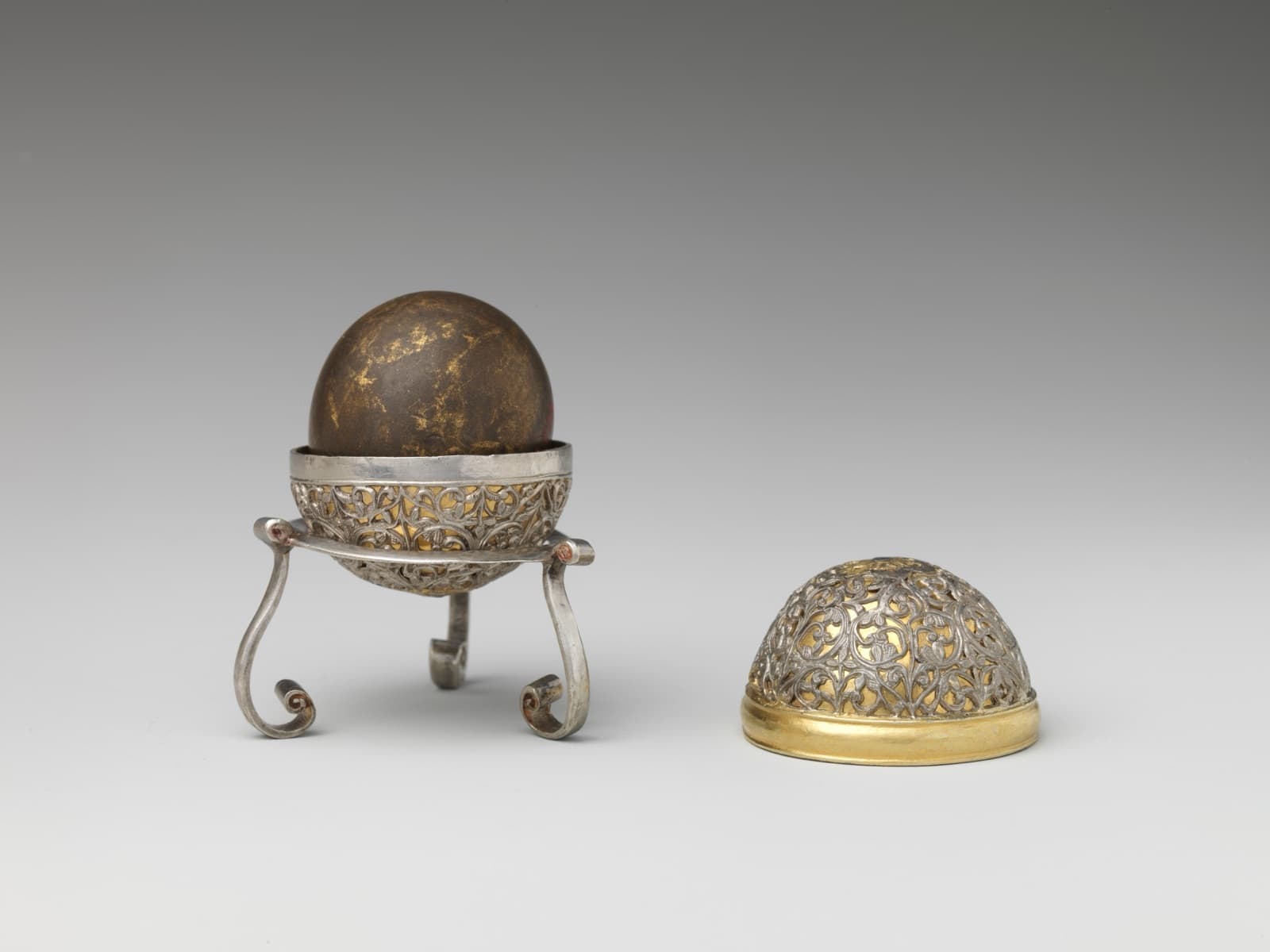
A porcupine date is a hardite mass (phytobezoar or calcium-mineral concretion) sometimes found in the gastrointestinal tract or other body cavities of Old World porcupines (family Hystricidae). Not all porcupines produce them; estimates suggest they occur in a small fraction of wild porcupines.
Porcupines are herbivores that consume a wide variety of plants, including barks, roots, and herbs — some of which have medicinal properties in traditional herbal systems. The bezoar is believed to form when plant material, calcium, and other minerals accumulate and harden over time in the animal's body. The exact mechanism and timeline are not well-studied scientifically.
Based on cultural practices, word-of-mouth, or individual testimonials. No systematic research.
This claim is supported only by traditional use and/or laboratory studies. It has not been validated in human clinical trials. Treat with appropriate caution.
Types and Grading
In traditional trade, porcupine dates are graded by appearance, texture, and perceived quality. Common categories include:
Blood Date (血枣): Reddish-brown, smooth, considered premium in traditional grading
Grass Date (草枣): Greenish-brown, fibrous texture, most common variety
Powder Date (粉枣): Chalky or powite texture, lighter in color
Reported Compounds L1
| Compound | Class | Notes |
|---|---|---|
| Calcium phosphate | Mineral | Primary structural component; common in biological concretions |
| Calcium carbonate | Mineral | Common mineral found in shells and limestone |
| Cholesterol | Lipid | Present in most animal tissues |
| Fatty acids | Lipid | Various chain lengths; common in biological materials |
| Phenolic compounds | Polyphenol | Likely plant-derived; common antioxidants in foods |
| Flavonoids | Polyphenol | Common in fruits, vegetables, and tea; antioxidant properties in vitro |
| Tannins | Polyphenol | Common in bark and leaves consumed by porcupines |
| Saponins | Glycoside | Found in many plants; various biological activities in lab studies |
| Amino acids | Protein | Common building blocks of proteins |
| Trace minerals | Mineral | Iron, zinc, magnesium — common in biological tissues |
Reported compounds in porcupine date samples
Composition varies between individual bezoars. The presence of a compound does not imply therapeutic benefit. Many of these compounds are found in common foods and plants.
Traditional Uses L0
In traditional Chinese and Southeast Asian medicine, porcupine dates have been used for purposes including:
- General inflammation and fever reduction
- Supporting recovery during illness
- Perceived detoxification
- As a general wellness tonic
These are traditional uses based on anecdotal reports and cultural practices. They are not validated by human clinical research. "Traditionally used" does not mean "proven effective."
Based on cultural practices, word-of-mouth, or individual testimonials. No systematic research.
This claim is supported only by traditional use and/or laboratory studies. It has not been validated in human clinical trials. Treat with appropriate caution.
Myths vs. Facts
Myth
Porcupine dates can cure cancer, dengue, or other serious diseases.
Fact
L1There are no human clinical trials supporting this claim. Some laboratory studies show interesting properties of certain compounds found in bezoars, but lab results do not translate directly to human treatment. Cancer and dengue require proper medical care.
Myth
Porcupine dates are a reliable last resort when modern medicine fails.
Fact
L0No substance should be framed as a "last resort cure." This framing exploits emotional vulnerability. Always consult multiple qualified healthcare professionals before making treatment decisions.
Myth
All porcupine dates are the same quality and composition.
Fact
L1Composition varies significantly between specimens. There is no standardized quality control, and counterfeit or adulterated products are widely reported in the market.
Myth
Porcupine dates are completely natural and therefore safe.
Fact
L0"Natural" does not mean safe. Interactions with medications, allergic reactions, and contamination are all potential risks. Consult a healthcare provider before using any traditional remedy.