Conservation & Ethics
The trade in porcupine dates raises important ethical, legal, and conservation questions that must be addressed honestly.
Conservation Disclaimer
This platform does not facilitate, support, or condone the trade of porcupine bezoars or any wildlife-derived products. Information about porcupine dates is provided for educational purposes only. We actively discourage the purchase of wildlife products and encourage legal, sustainable, and ethical alternatives.
Wildlife Conservation Concerns

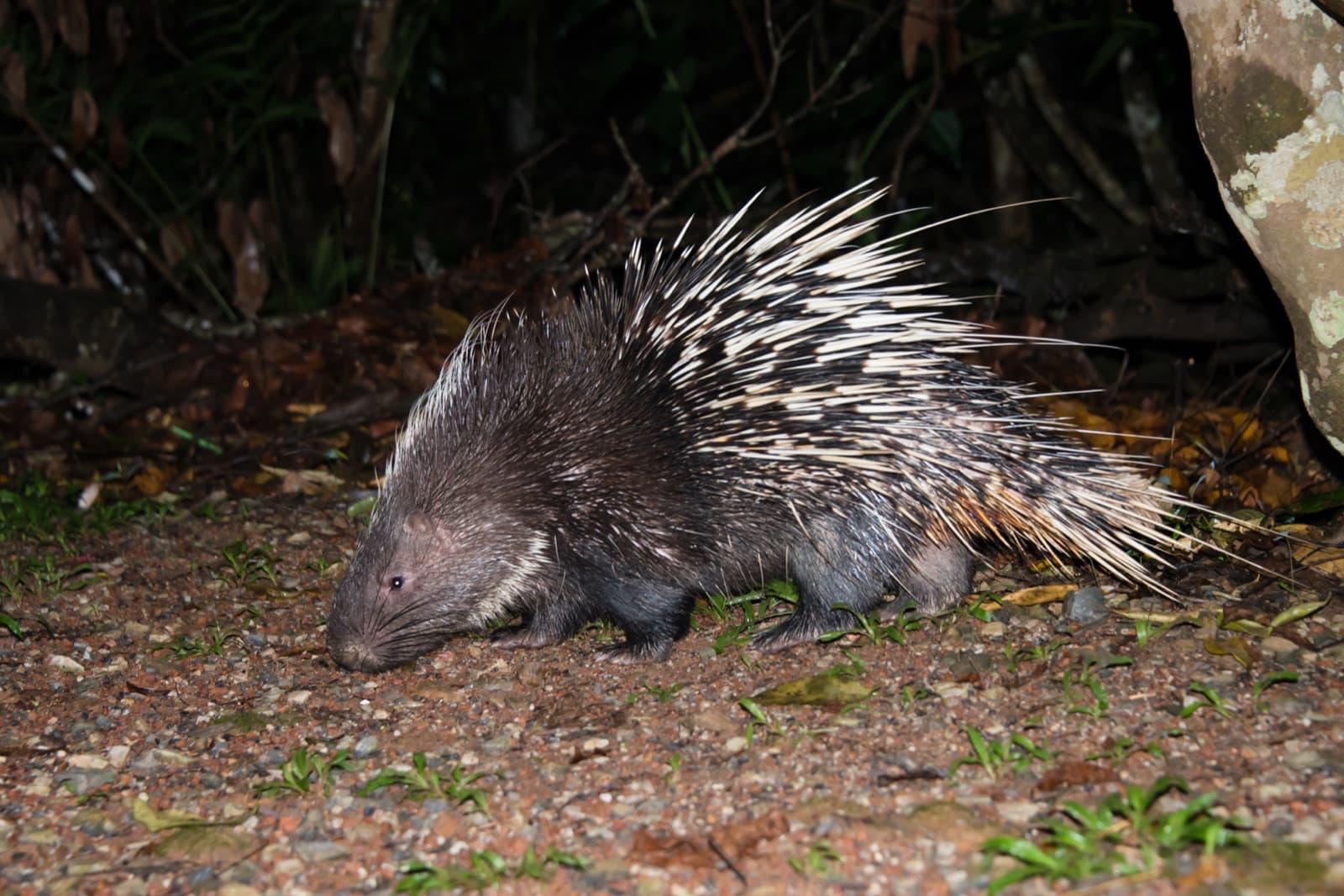
Porcupines play important roles in their ecosystems. Several porcupine species face population pressure from habitat loss, hunting for meat, and demand for bezoars. The bezoar trade can incentivize poaching and further threaten vulnerable populations.
Legal Considerations
The legal status of porcupine date trade varies by jurisdiction:
- Some porcupine species are protected under CITES (Convention on International Trade in Endangered Species)
- National and local wildlife protection laws may prohibit or restrict collection and trade
- Import/export of wildlife products may require permits or be prohibited entirely
- Purchasing wildlife-derived products may carry legal risks depending on your jurisdiction
Our Ethical Position
We do not sell, source, or broker porcupine bezoars
We advocate for wildlife conservation and animal welfare
We encourage plant-based and sustainable alternatives for wellness
We believe education and transparency are more valuable than commercial interests

Ethical Alternatives
If you are interested in traditional wellness approaches, consider plant-based alternatives that do not involve wildlife products. Many of the compounds found in porcupine dates are also present in widely available herbs and supplements that can be produced sustainably.